Features
33 of the 50 games on Steam’s seven-day chart this week are self-published — the developer is also the publisher. Only 17 have an outside publisher attached. Self-publishing is not the scrappy option any more; it is the default, and the publisher-backed minority is now the thing that needs explaining.
We pulled every entry on the Steam 250 seven-day chart on 16 September 2026 and checked each one against the Steam store API’s own developer and publisher fields. What follows is that data, not an estimate.
The split
| Group | Games | Share of chart | Median price (paid only) | Under $10 | $20 or more |
|---|---|---|---|---|---|
| Self-published | 33 | 66% | $9.39 | 19 of 32 | 1 of 32 |
| Publisher-backed | 17 | 34% | $14.69 | 5 of 16 | 5 of 16 |
Two games on the chart are free, so the price figures cover the 48 paid entries.
The pattern: a publisher is permission to charge more
The obvious hypothesis is that publishers buy reach, and that publisher-backed games should therefore rank higher. They do not. Publisher-backed entries take 4 of the top 10 and 17 of the 50 — roughly their overall share. Having a publisher did not move games up this chart.
What it moved was the price. The median self-published game on this chart costs $9.39. The median publisher-backed game costs $14.69, about 56% more. Nearly two thirds of self-published entries sit under $10; fewer than a third of publisher-backed ones do. Five publisher-backed games are priced at $20 or above. Exactly one self-published game is.
That is the clearest thing in the data, and it is not really about cost of production. A $20 price tag on Steam is a claim about how much game is behind it, and buyers check that claim against the store page: trailers, screenshot quality, language count, review volume on day one. A publisher’s contribution is largely the work of making that claim credible. Developers without one price defensively, because a refund is cheaper to avoid than to absorb.
The exception proves it
Rollout Inline is the one self-published game on this chart at $18.99 — and it is an aggressive inline skating game, a genre with effectively no current competition on Steam. When nobody else sells what you sell, you do not need a publisher to justify the price. That is the only route we can see in this week’s data to a high self-published price point.
Who the 17 publishers actually are
| Rank | Game | Developer | Publisher |
|---|---|---|---|
| 4 | WARDOGS | BULKHEAD | Team17 |
| 6 | Welcome to Elderfield | Chris Cote | Kwalee |
| 7 | Avatar Legends: The Fighting Game | Gameplay Group International | PM Studios, Paramount Games |
| 8 | Shroom and Gloom | Team Lazerbeam | Devolver Digital |
| 17 | Sunken Engine | Two Nomads Studio | PlayWay |
| 19 | The Crust | VEOM Studio | Crytivo |
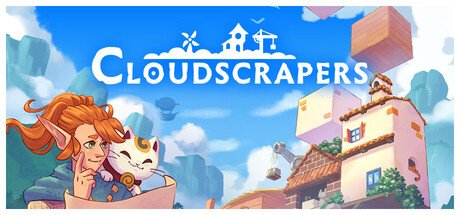
| 21 | Cloudscrapers | Nementic Games | Curve Games |
| 22 | Gunman Contracts | ANB_Seth | 2080 Games |
| 25 | Pibcremental | Arcane Cabinet | GrabTheGames, Gamersky Games |
| 31 | Nightpark Journal | 升海宫 | OFF LAB |
| 34 | HimaNatsu | Makura | Kagami Games |
| 36 | A Night at Moka Efti | Paintbucket Games | ARD Gaming, Suedwestrundfunk |
| 38 | Magical Blush | Alkacer Game Studio | DANGEN Entertainment |
| 40 | Frontier: Path of Shadows | Oduvan Games | 3_PUBLISHING |
| 41 | Rushcremental | Tim Beaudet, Frédérik Charest | Tyre Bytes LLC |
| 44 | Fright Train | WildArts Games | Black Lantern Collective, Gamersky Games |
| 45 | Succubus Nightmare | LUNA GameArt | Mango Party |
One entry in that table is doing something none of the others are: A Night at Moka Efti is published by ARD Gaming and Suedwestrundfunk — German public broadcasters — and is free. Its publisher did not buy sales potential, because there are no sales. It bought a cultural artefact attached to a television series. That is a funding model almost nobody in indie games has access to, and it is worth knowing it exists.
What the self-published 33 look like
The self-published group is not one kind of studio. It runs from single-name credits like Sage Boatman’s RIG Riot and Andrei Fomin’s Effulgence RPG, through small teams like TessaraOxygen and Shellbunny, to Luden.io, which has been shipping commercially for years, and up to Jagex, a company of several hundred people that publishes its own RuneScape titles. “Self-published” describes a contract, not a size.
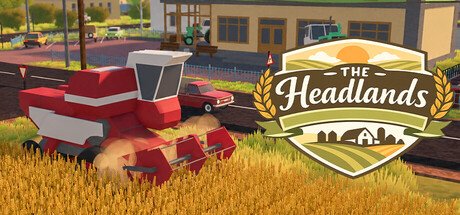
It also does not mean under-resourced. The Headlands shipped with full audio in thirteen languages while self-publishing. Craftomation 101 supports more than a dozen. The old assumption that localisation is what a publisher is for does not survive contact with this week’s chart.
Three things this does not mean
It does not mean publishers are no longer worth signing
A one-week chart of new releases is the worst possible place to see a publisher’s value, because a publisher’s work is mostly measured over months: sustained wishlist growth, sale placement, platform ports, and a marketing budget that keeps working after launch week. This data shows what publishers do to the store page, not what they do to a game’s twelve-month revenue.
It does not mean self-publishing is easier
The chart only contains games that succeeded. Self-published failures are invisible here by definition, and there are vastly more self-published releases on Steam than publisher-backed ones, so a 66% share of the chart may well be underperformance relative to volume. We cannot tell from this data, and neither can anyone else without Steam’s full release list.
It does not mean price causes anything
We found a correlation between having a publisher and charging more. Which direction it runs is not settled: publishers may enable higher prices, or publishers may simply select for games that were always going to be priced higher. One week of 50 games cannot separate those.
What is still unknown
Steam’s API reports developer and publisher as free-text fields, filled in by the developer. Where a studio has set up its own publishing entity under a different name, our method counts it as publisher-backed even though nobody outside was involved — Tyre Bytes LLC alongside two named individual developers is the likely case here. The true self-published share is therefore 33 or higher, not lower.
Frequently asked questions
How many games on Steam are self-published?
On the Steam 250 seven-day chart for 16 September 2026, 33 of 50 games were self-published, meaning the developer was also listed as the publisher. That is 66 percent of the chart.
Do indie games with publishers sell for more?
On this chart they are priced higher. The median publisher-backed game cost 14.69 dollars against 9.39 dollars for the median self-published game, about 56 percent more. Price is not the same as sales, and this data does not measure revenue.
What does self-published mean on Steam?
It means the developer listed on the store page is also listed as the publisher, so the studio handles its own storefront, pricing, marketing and payouts rather than signing those rights to an outside company.
Does having a publisher help an indie game chart higher?
Not on this week’s data. Publisher-backed games took 4 of the top 10 and 17 of the 50 places, roughly matching their overall share of the chart, so a publisher did not correlate with a better position.
Which publishers had games on the Steam week chart?
Team17, Kwalee, PM Studios with Paramount Games, Devolver Digital, PlayWay, Crytivo, Curve Games, 2080 Games, GrabTheGames, OFF LAB, Kagami Games, ARD Gaming with Suedwestrundfunk, DANGEN Entertainment, 3_PUBLISHING, Tyre Bytes, Black Lantern Collective and Mango Party.
How was this counted?
Every one of the 50 chart entries was looked up in the Steam store API. A game was counted as self-published if its developer name also appeared in its publisher list. Prices are the US store prices at the time of writing, including any active launch discount.
Sources and citation
- Steam 250 seven-day chart, the ranking, scores and review counts used throughout, retrieved 16 September 2026
https://steam250.com/7day - Steam store API appdetails endpoint, the source for every developer, publisher, price, release date and language field in this article
https://store.steampowered.com/api/appdetails - Steam store pages for each of the 50 charting games, used to confirm publisher credits
https://store.steampowered.com/
Recommended
- How to Price an Indie Game on Steam in 2026: What One Week of the Chart Actually Shows
- Why Indie Games Shouldn’t Be Marketed Like AAA Titles
- The 12 Jobs of a Solo Developer (And How to Survive Them)
- What 4 Viral Indie Games Had in Common (And It Was Not Marketing Budget)
- Devolver Digital Votes on Going Private This Week — And the Reason Says a Lot About Indie Publishing
- A Solo Dev Got 10,000 Steam Wishlists in 2 Weeks With $0 in Ads. Here Is What Actually Worked
- The Best New Steam Releases This Week (Ranked by Actual Reviews)
- Every Recent Steam Game Rated Over 90% (And How to Read the Score)
- How to Get Your Indie Game Noticed by Curators and Communities
- The Steam Wishlist Playbook: Turning Followers Into Launch-Day Buyers