Features
We keep profiles on 372 indie studios. Exactly 1 of them has more than one game in our catalogue.
That number is worth sitting with, because it describes the shape of the independent games industry better than any definition does.
A caveat first, since the number is ours: our catalogue is built from the Steam 250 weekly chart and from trending releases, gathered over roughly a year. It is not a census of every studio that exists. What it measures is which studios chart — and on that measure, a studio almost never appears twice.
What an indie game studio actually is
There is no registry and no qualification. An indie studio is whoever is making the game, and across our 372 profiles that has meant all of the following:
- One person. A large share of the studios we cover are a single developer, often under their own name. Lucas Pope is the famous version; most are not famous.
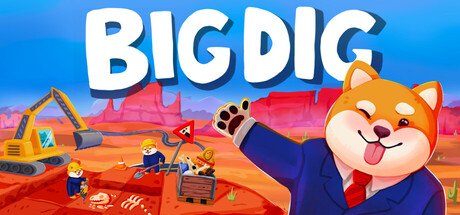
- Two people who named themselves something. The most common shape on the chart. Big Dig was two developers with help from friends.
- A small team with a publisher. Pigeons at Play made Mycopunk; Devolver Digital published it. Still indie in every sense people use the word.
- An established studio that stayed small. Team Cherry and Ice-Pick Lodge have been doing this for years without becoming large.
If you want the argument about where the boundary sits, we wrote it separately: what does indie mean in games.
Why almost every studio charts once
Most studios are formed around one idea
A lot of the names in our directory are not companies in any durable sense. They are a legal entity created because Steam requires one. The game ships, the people go back to their jobs or join a larger team, and the studio name never appears again.
Charting is harder the second time
The Steam 250 weekly chart rewards a strong review ratio in a release window. A first game arrives with no expectations; a second arrives to an audience that already has an opinion, and to a developer who now knows how much the first one cost them.
Success removes you from the category
The studios that do keep going often stop looking indie. They grow, take funding, or spend five years on the follow-up — which is why the ones everybody can name are precisely the ones that break the pattern this data describes.
What this means if you are making one
The useful reading is not “you get one shot.” It is that the median indie studio is a temporary structure built around a single game, and planning as though you are founding a company is usually planning for the wrong thing.
Practical consequences we have written about elsewhere: price for the one game you have, not for a catalogue. Expect to do every job. Do not market like a publisher, because you are not one and the audience can tell.
Browsing the studios
Every studio we cover has a page listing their games, where to find them and how to follow them. 373 games across 372 studios.
- Browse all indie developers
- Self-published games on the weekly chart — how many of these studios went without a publisher
- How studios get noticed
- A solo developer success story
- From side project to 250k
The honest caveat
This is our catalogue, not the industry. We cover games that chart or trend, in English, excluding AAA and adult titles — so studios that quietly ship three good games that never chart are invisible here, and there are many of them.
Read the 1-out-of-372 figure as a statement about visibility, not about survival. Plenty of studios keep working. Very few get a second week on the chart.
Frequently asked questions
What is an indie game studio?
A small development team working without major publisher backing, or with a small publisher that leaves creative control with them. There is no formal definition — team size, budget and independence all get used, and they do not always agree.
How many people work at an indie game studio?
Most commonly one to five. Across the 372 studios we profile, single developers and two-person teams are the most frequent shapes.
Do indie studios have publishers?
Many do. Devolver Digital, Hooded Horse, Team17, Raw Fury and Assemble Entertainment all publish games that everyone calls indie. A publisher does not disqualify a studio in common usage.
How do indie studios make money?
Primarily direct sales on Steam and itch.io, sometimes with a publisher advance, bundles or platform deals. Most of the studios we cover sell a single game between free and about $25.
How do I find indie game studios?
Our developer directory lists every studio we cover with their games and links. Beyond that, the Steam 250 weekly chart and itch.io are where new ones surface first.
Do most indie studios make more than one game?
In our catalogue, almost none do — 1 of 372. That reflects which studios reach the charts rather than which keep working, but the churn is real.
Sources and citation
- IndieForGames catalogue — 373 game pages and 372 studio pages, compiled from the Steam 250 weekly chart and trending releases. Figures current at the time of writing.
- Google Trends — “indie game studios” Breakout rising query, United States
Recommended reading
- What does indie mean in games?
- The twelve jobs of a solo developer
- Indie games should not market like AAA
- How to price an indie game on Steam
- Self-published games on the Steam 250 weekly chart
- Getting an indie game noticed
- Why indie games go viral
- The highest rated indie games on Steam
- The best indie games of the year
- Making a Steam game in two months